Is Alcohol a Feminist issue?
Feb 05, 2026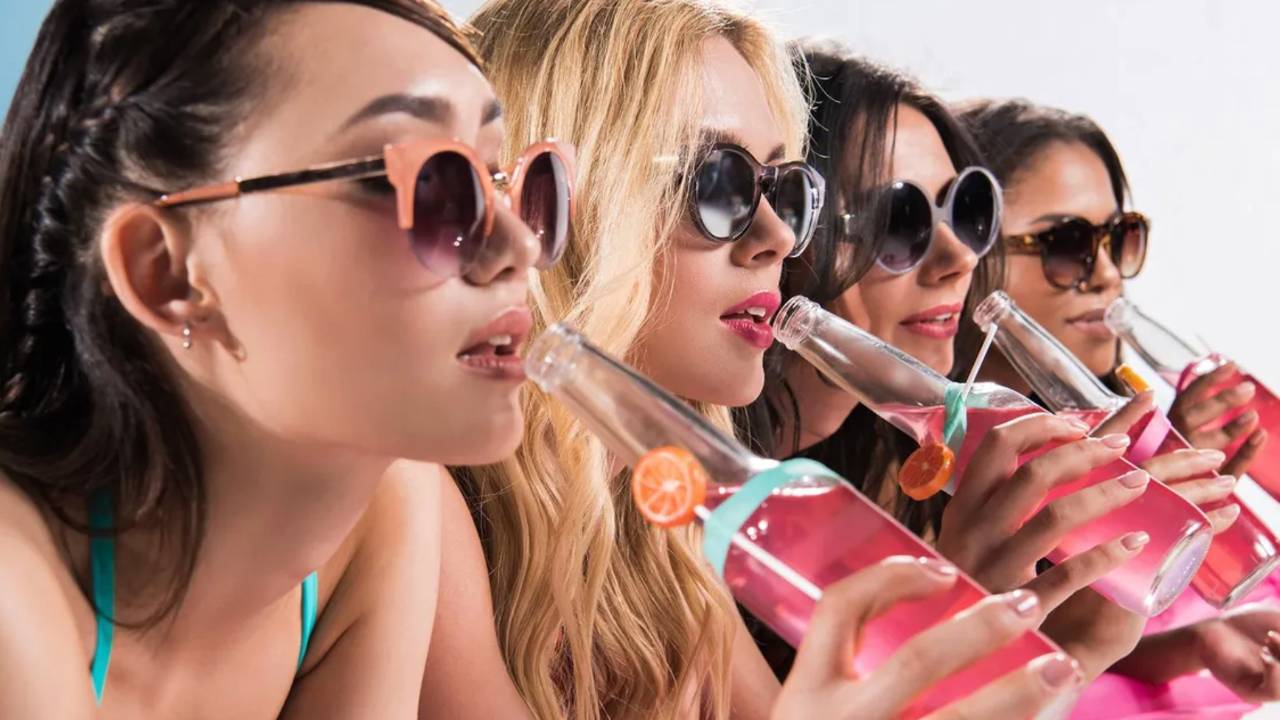
At Love Sober, we believe women have been sold a neatly packaged anaesthetic to the deep, systemic pressures we live under: unequal pay, gender-based violence, unequal parenting responsibilities, invisible emotional labour, chronic overwhelm, and persistent inequality.
Historically, this isn’t new. The widespread prescription of Valium in the 1960s and 70s—marketed as “Mother’s Little Helper”—was a socially acceptable way to sedate women during a period of profound social change. Rather than addressing injustice, exhaustion, or lack of support, women were medicated into compliance.
Fast forward a few decades and we wonder how our current culture of “mummy wine time” will be viewed by future generations—particularly when measured alongside soaring rates of alcoholic liver disease in women, especially those in midlife. Perhaps it won’t seem quite so funny then.
The revival of gin culture—and its aggressive marketing to women through pink gins, floral infusions, and the ironic “Gin Mummy” trope—feels particularly jarring when we remember gin’s history. In the UK, alcohol misuse can be traced back to the 1700s gin epidemic, when gin was sold by pharmacists to soothe women’s so-called “hysterics.” Dependency followed, families suffered, and gin earned the nickname “mother’s ruin” before licensing laws were radically reformed.
It’s no coincidence that early feminist movements understood this link. In the 1800s, suffragette groups advocated temperance to protect women from domestic violence and economic harm. Alcohol-free living has long been entwined with women’s liberation.
In every era, women have been given a corset—a socially acceptable construct that keeps us constrained, quiet, and compliant. Today, wine is our corset. It numbs us, drains us, and damages us. And if it becomes a problem? The blame sits squarely with us. Alcohol has been sold as the elixir of the modern, emancipated woman, while quietly eroding our health, confidence, ambition, and self-esteem. In short, it keeps us stuck.
Let’s rip off our alcohol corsets and run wild.
Drink like a man, die like a woman
This heading is confronting—and so are the statistics.
From the late 80s and 90s onward, women were subtly taught that to be taken seriously, particularly in professional spaces, we needed to drink like men. Success was framed through boardrooms, late nights, cigars and whiskey, cocaine and champagne. We shifted from pints with the lads to career woman drinking—the Sex and the City era of work hard, play hard.
What was missing from this narrative was a crucial truth: alcohol is significantly more harmful to female bodies.
Astonishingly, there was almost no research into alcohol’s effects on women before 1990. In a 2018 BBC article, Professor Sharon Wilsnack noted that researchers simply assumed studies on men would apply to women too. Given the profound hormonal, metabolic, and neurological differences between male and female bodies, this oversight speaks volumes about whose health has historically mattered.
We now know that women tend to drink to soothe emotional pain—stress, grief, loneliness, overwhelm—while men’s drinking is more often driven by social pressure. For many women, particularly in midlife, alcohol becomes a coping mechanism at the very moment life intensifies.
This is where the sandwich generation comes in.
Midlife women are often juggling adolescent children, ageing parents, careers, financial pressure, changing relationships, and the quiet reckoning of identity shifts—all while navigating perimenopause and menopause. Fluctuating oestrogen impacts mood, sleep, anxiety, memory, and stress tolerance. Alcohol, once perceived as relief, actually amplifies nervous system dysregulation and hormonal chaos.
And yet, we’re told to pour a glass.
Women and alcohol: the reality
Recent research paints a sobering picture:
-
Alcohol marketing and shifting gender roles have narrowed the drinking gap; women now drink nearly as much as men.
-
Cirrhosis death rates among women aged 45–64 rose dramatically in the early 2000s, far outpacing men.
-
Women metabolise alcohol differently due to lower levels of alcohol dehydrogenase (ADH).
-
Higher body fat and lower body water mean alcohol stays in women’s systems longer.
-
Women are more vulnerable to problematic drinking due to caregiving roles, chronic stress, stigma, and barriers to accessing support.
-
Fear of judgment—particularly for mothers—keeps many women silent.
-
Women are more likely to experience dual diagnoses (mental health challenges alongside alcohol use).
-
There is a strong link between disordered eating and problematic drinking.
-
Alcohol-related liver, heart, nerve damage, and breast cancer risk occur more rapidly in women.
This is not easy to read—but knowledge is power. Understanding both the biological risks and the social context of women’s drinking empowers informed choice.
Sobriety can be a pivotal midlife turning point.
Not a punishment. Not deprivation. But a reclamation.
When you remove alcohol, you give your nervous system space to settle, your hormones a fighting chance to rebalance, and your inner compass room to speak. Sobriety isn’t about becoming superhuman—it’s about becoming more yourself. Clearer. Stronger. More aligned.
Hangover-free days stack into better decisions, deeper self-trust, and a renewed sense of agency. This is self-leadership. This is sovereignty. This is midlife alchemy.
So let’s say it clearly: sobriety is not a sad or boring consequence of “failing” at drinking. It is empowering, brave, and quietly revolutionary. Your health improves. Your clarity sharpens. Your capacity expands.
There has never been a better time to be sober. Community is growing. Conversations are changing. The link between mental health, hormones, and alcohol is finally entering the mainstream. Women are questioning the myths—and choosing differently.
Make room at the table.
The sober sisters have arrived.
Below is a link to an interview I did on BBC Women's Hour with Dame Jenny Murray about this subject.
Kate x

