Grey area drinking, midlife hormones and the changing relationship with alcohol
Feb 07, 2026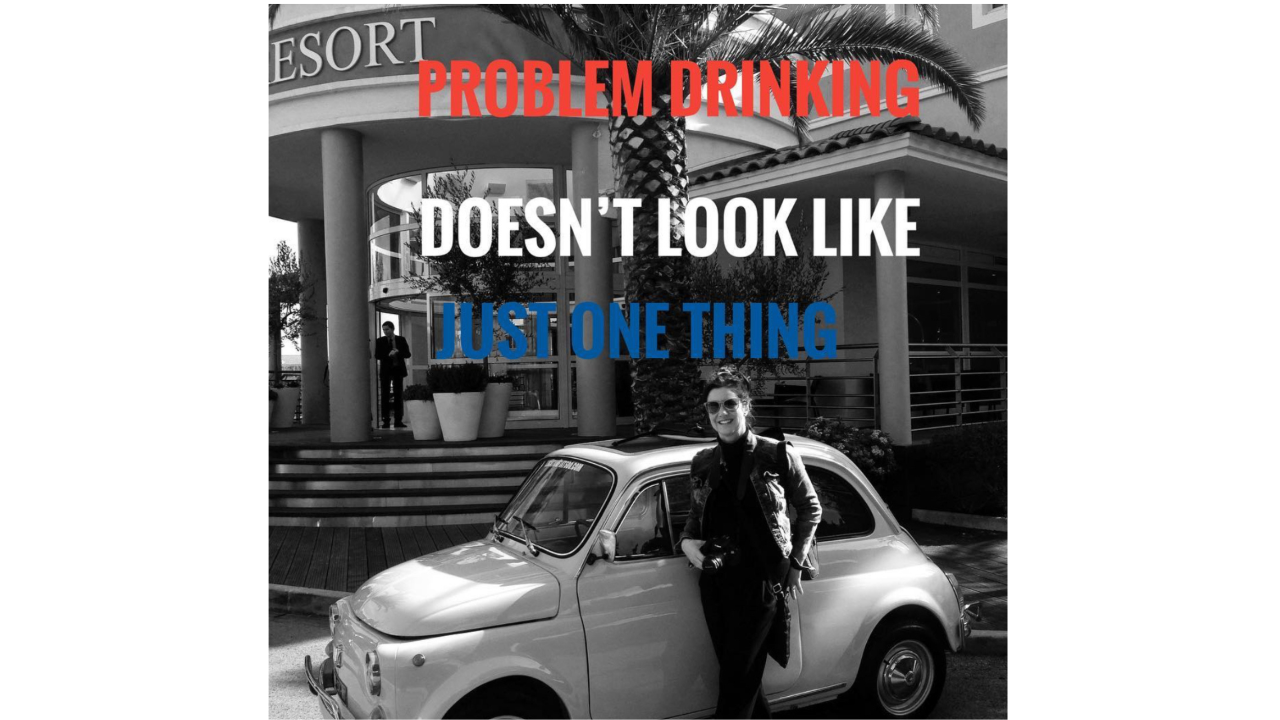
Midlife has a way of quietly changing our relationship with alcohol.
What once felt manageable can start to feel effortful. Sleep becomes lighter, anxiety louder, and the “off switch” we relied on doesn’t work in the same way anymore. Hormonal shifts, emotional load, identity changes and the stretch of caring for everyone else can all nudge us further along the alcohol use spectrum without us quite realising.
This piece revisits the idea of grey area drinking — not as a label, but as an invitation to reflect. It’s not about how much you drink, but how it makes you feel. If you’ve ever wondered whether alcohol is giving you less than it used to, especially in midlife, this is for you.
Grey area drinking is often easiest to understand by looking at what it is not.
It’s not the person who has a drink once in a blue moon — a glass of something fizzy at a wedding or celebration and then happily moves on.
And it’s not the stereotype of the severely ill ‘alcoholic’, requiring medical detox that many of us still carry around in our heads.
Grey area drinking lives in the wide, messy, very human, very culturally normative space in between.
I was a Grey Area Drinker and it looked like me going to work on the National Press, having children, press trips (image below) a home, a husband, friends and going to the gym. It also looked like me waking up at 3am unable to sleep, with gnawing anxiety. It meant me being full of self-loathing the next day, whilst other were happily having fry-ups, paranoid about what I had said. It looked like me being able to moderate 3/4 times ad then drinking too much and having a hellish hangover so I hadn’t lost control but it was consistently inconsistent. It felt like I was one person sober and another one when I drank, not because I was awful but because it caused a disconnect which a couldn’t articulate at the time and had become used to since I’d started using it at 15.
The World Health Organization recognises this by describing Alcohol Use Disorder as a spectrum — ranging from hazardous and harmful drinking through to dependency. Many of us sit somewhere along that spectrum, often without realising it, because this way of drinking has been normalised through marketing, pink-washing, and the feminisation of alcohol.
A useful question, then, isn’t “Am I an alcoholic?”
It’s much softer — and more honest — than that.
“Do I use alcohol in a disordered way?”
And if so, what does that look like for me?
Comparison can be a real trap here. When we measure ourselves against extreme stereotypes, it can stop us from:
-
taking the steps needed to get support
-
choosing to quit alcohol not because we have to, but because we want to
-
realising that putting down the wine glass isn’t giving something up — it’s opening the door to a fuller, freer, more peaceful life
-
understanding that alcohol problems aren’t binary — there are many stages, and many ways through
And here’s where midlife often enters the conversation.
Why Midlife Can Shift Our Relationship with Alcohol
Hormonal shifts can make alcohol feel different in our bodies. What once helped us “switch off” can suddenly increase anxiety, disrupt sleep, or leave us feeling wired and unsettled at 3am. The liver can’t metabolise oestrogen if it’s prioritising removing alcohol so our peri menopausal symptoms get worse, the HPA axis is impacted more and w are flooded with more cortisol.
Stress often ramps up. Careers peak, parents age, children need us in new ways. The emotional load of the sandwich generation is real, and alcohol can become a familiar if increasingly unreliable coping strategy.
There’s also an identity shift happening. Midlife asks big questions. Who am I now? What do I need? What am I no longer willing to tolerate? Alcohol can dull those questions for a while, but it can also keep us stuck when what we’re really craving is clarity.
So it’s no wonder that many women arrive here feeling confused. We look around and see everyone else drinking and think, Am I being too hard on myself? Others tell us to lighten up. And slowly, those quiet inner questions get pushed aside.
Drinking is still largely unquestioned in our culture —as a rite of passage, a social glue, a reward for coping.
And yet alcohol is a drug. A powerful, mood-altering, addictive one which impacts our hormonal health enormously.
If another substance were causing anxiety, sleep problems, regret, shame, or health issues, the advice would be clear: stop taking it and get support. With alcohol, we’re usually told to “just moderate” even when moderation is the very thing costing us the most energy.
The truth? Being AF is a solid foundation to live in an empowered, self compassionate way during a full on transition with big girl pants on.
It’s Not About Units — It’s About Relationship
It’s not necessarily the number of units you drink.
It’s your relationship with those units. My units were not appalling but my relationship with alcohol was and the impact with myself more so.
Counting can be useful, but it rarely tells the full story. A gentler place to begin is curiosity:
How do you feel before, during, and after drinking?
How much mental effort goes into controlling it?
How often do your own rules get broken?
You might recognise yourself in some of these questions:
-
Am I drinking more often than I plan to?
-
Do my hangovers now include anxiety rather than just tiredness?
-
Do I forget parts of the evening?
-
Do I think about alcohol more than I’d like?
-
Do I feel in control sometimes and out of control at others?
-
Do I rush through moments, or feel disconnected, because I want that first drink?
-
Do I feel regret, guilt, or shame afterwards?
-
Is alcohol costing me more than just money — energy, peace, self-trust?
-
How does it feel in the middle of the night when sleep won’t come?
If you’re nodding along, you’ve probably already tried moderating.
And here’s the hopeful part.
From my experience and from the women I work with, going alcohol-free brings relief, not restriction. Sobriety creates space. It steadies the nervous system. It supports hormonal balance. It helps us meet midlife not with numbing, but with self-leadership and a return of hope, the thought that maybe just maybe, there is a different way. It’s the best kept secret.
Being alcohol-free has been the most powerful and liberating choice I’ve made and so have so many others I have met online, on the podcast, clients, members of Love Sober Community and I truly love sober life and I know you can too. I would NEVER have believed it but it’s true.
If this resonates, have a gentle look around. Read, listen, connect. Book a Discovery Call with me or read one of my books, stay curious… give alcohol free living a bit of time.
You’re so welcome here.
With love,
Kate xxx

